About this landmark
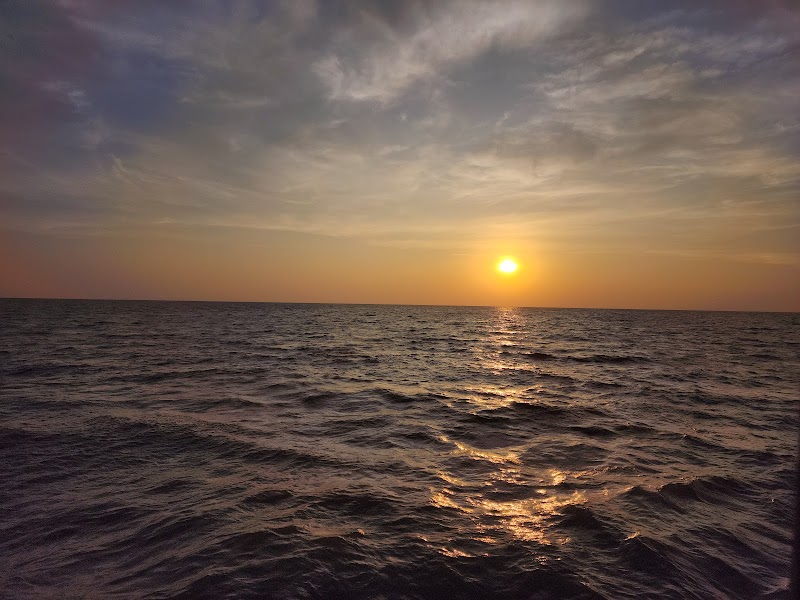
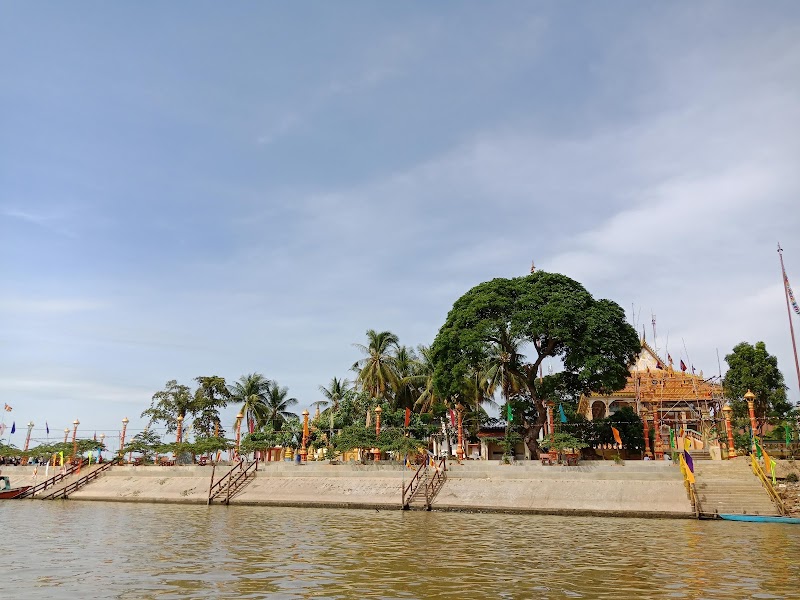
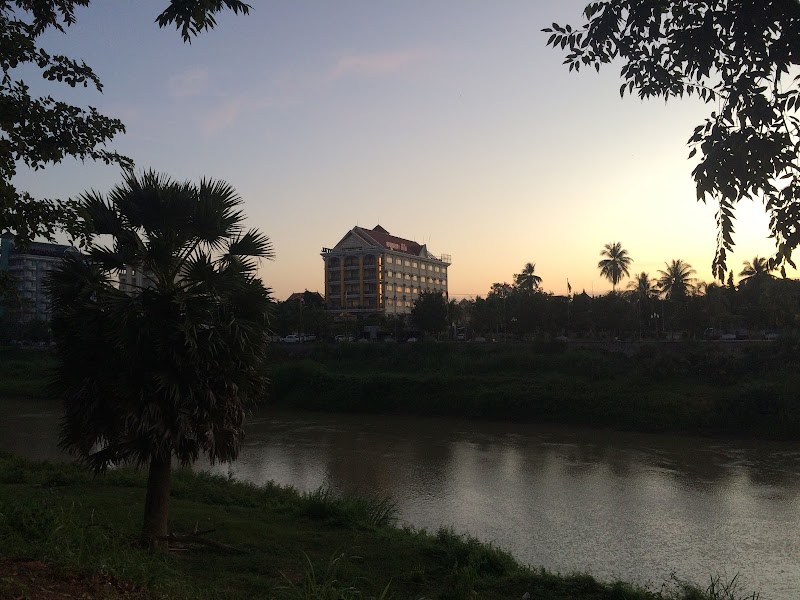
Tonlé Sap, Cambodia’s largest freshwater lake, sits majestically in the heart of the country, just south of the vibrant city of Siem Reap. This ecological marvel isn't just a body of water; it's a lively, shifting ecosystem supporting a vast diversity of life. The lake is renowned for its seasonal ebb and flow, expanding and contracting dramatically throughout the year. This rhythmic change dictates the livelihood of the communities living around it, contributing to its status as a UNESCO Biosphere Reserve.
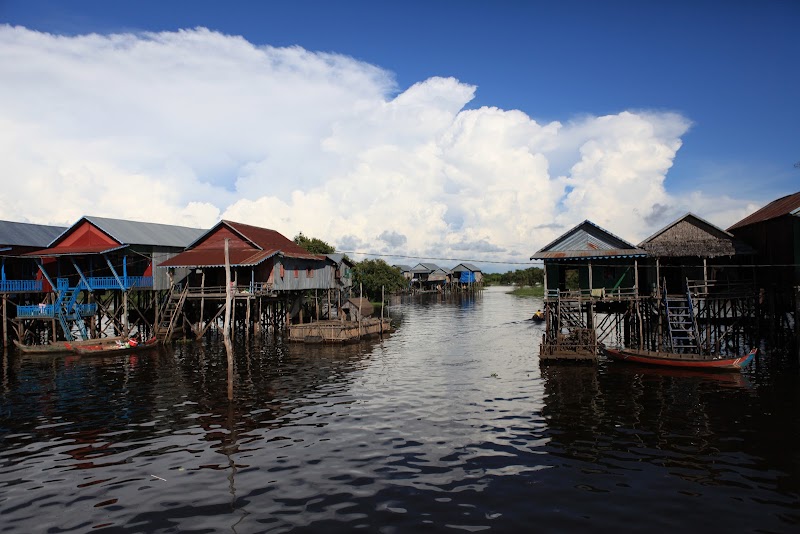
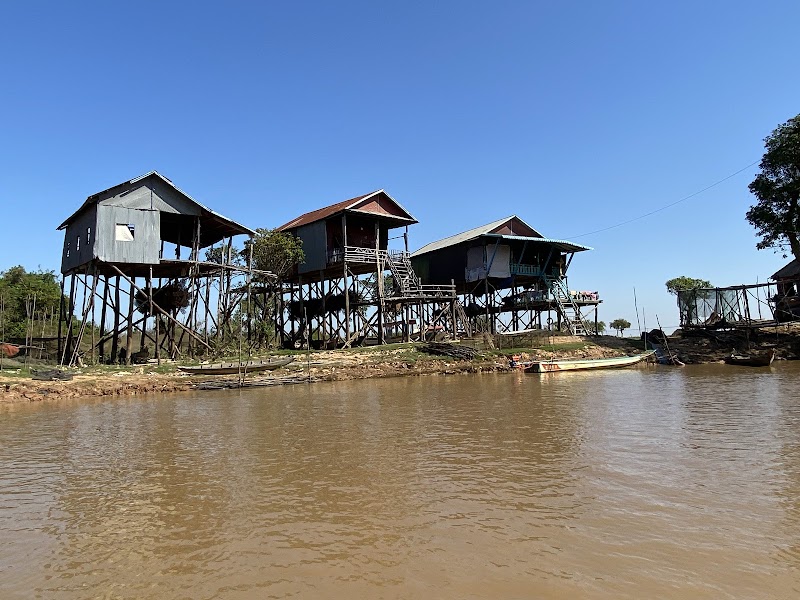
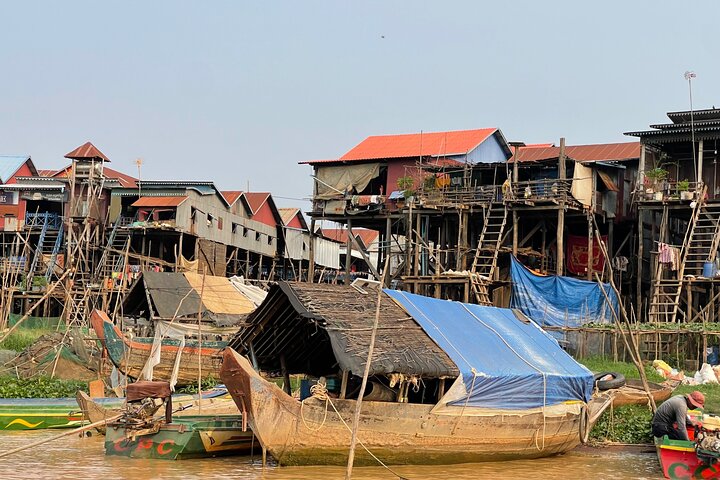
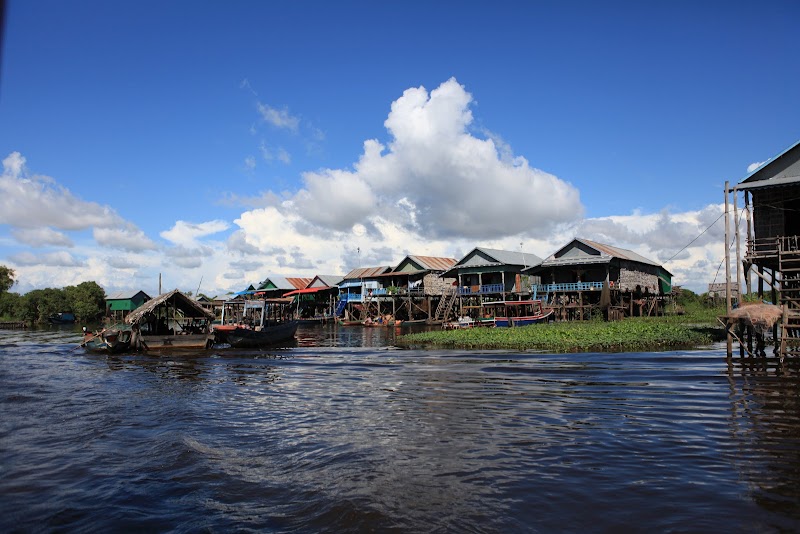
Dotted along its shores are picturesque floating villages, home to a vibrant array of traditional stilt houses. These communities live seamlessly with the water, their houses and lifestyle adapting to the seasonal rise and fall. Tonlé Sap’s waters teem with fish, making it an essential hub for fishing, which remains a crucial industry for Cambodians.
It's not just the dynamic water levels that make Tonlé Sap unique. The surrounding floodplains play host to a myriad of rare bird species, making it a birdwatcher's paradise. The interplay between human and nature here is a delicate dance that visitors find captivating. Historical tales of ancient Khmer empires also accompany you as you drift through these waters, adding a mystical allure.
For travelers seeking adventure and a taste of authentic Cambodian culture amidst nature's own performance, Tonlé Sap offers an unparalleled experience.
Adventure Guide
Adventure Guide to Tonlé Sap
Floating Village Tours
- Experience: Drift through enchanting floating villages on a traditional boat.
- Special Features: See stilt houses and local life on water.
- Local Insights: Learn about the unique lifestyle and adaptation to water's rise and fall.
- Visitor Tips:
- Best Time: Visit during the wet season (June to October) for the fullest experience.
- What to Bring: A hat, sunglasses, and camera.
Bird Watching Safari
- Location: Prek Toal Bird Sanctuary
- What Makes It Special: Spot rare waterbirds in this pristine sanctuary.
- Key Features: Home to species like the endangered Milky Stork.
- Visitor Tips:
- Best Time: Dry season (November to March).
- What to Bring: Binoculars and birding guidebook.
Canoeing Through Mangroves
- Experience: Paddle through serene mangroves, rich with biodiversity.
- Features: Unique flora and aquatic life.
- Local Insights: Mangroves protect the shoreline and are vital for the ecosystem.
- Visitor Tips:
- Best Time: Early morning for a tranquil experience.
- What to Bring: Waterproof gear and water shoes.
Visitor Tips
- Best Times:Year-Round for favorable conditions and optimal lighting.
- What to Bring:Plenty of water, sun protection, a camera, and respectful Leave-No-Trace mindset.